Custom plush MOQ pricing feels backwards at first: order fewer plush, pay more for each one. The reason is mechanical, not a negotiating tactic. Every full custom plush run carries fixed setup work, and that work costs the same whether it is spread across a small pilot run or a regular bulk order.
The Plush Maker is an owned plush factory in Dongguan, manufacturing custom plush since 1998, with MOQs starting at 500 pieces. The full MOQ policy is in Custom Plush MOQ Explained, and where setup sits among the seven cost drivers is in the complete pricing guide.
Key Takeaways
- Fixed setup work (pattern, tooling, embroidery programs, line configuration) costs the same at any volume, so small runs carry a heavier unit burden.
- Materials get worse too: fabric mills have their own dye-lot minimums, so small plush runs can’t access custom-dyed fabric pricing.
- Moving from 500 to 2,000 units typically cuts unit price about 30–40%; after that, order what you can sell rather than chasing every small price step.
- If you genuinely need under 500 units, stock-base personalization usually beats forcing a custom run.
Why Does Custom Plush MOQ Pricing Jump at Low Quantities?
Because the setup block is fixed. Pattern engineering, sample review, cutting setup, embroidery programming, and line preparation happen before the first sellable unit exists. When the order is too small, that same factory work is spread across too few pieces, so the unit price jumps even when the plush itself has not changed.
The setup block covers real work: pattern making, fabric cutting tooling, embroidery program digitizing, color matching, and production line configuration. None of it scales down cleanly. A 100-unit run still needs the same pattern engineering as a normal bulk run.
That’s also why a low-quantity quote that looks “only slightly higher” per unit deserves scrutiny. Either the supplier is absorbing setup at a loss (unlikely), or the spec quietly shrank to make the number work.
What Exactly Is in the Fixed Setup Block?
Five items, none optional:
- Pattern engineering. A plush pattern decomposes into 12–30 panel pieces, designed digitally before any fabric is cut.
- Cutting tooling. Dies or laser-cut programs for every panel shape.
- Embroidery digitizing. Eyes, noses, and logos each need a machine program, set up once per design.
- Color matching. Lab dips and swatch approval against your Pantone references.
- Line configuration. Sewing stations sequenced for your specific construction order.
The sample process front-loads most of this, which is why sample fees run $150–$300 per design. It’s also why the fee is credited back on confirmed bulk orders of 3,000+ units: at that volume, the setup investment has a production run to amortize against.
Why Do Materials Cost More on Small Runs Too?
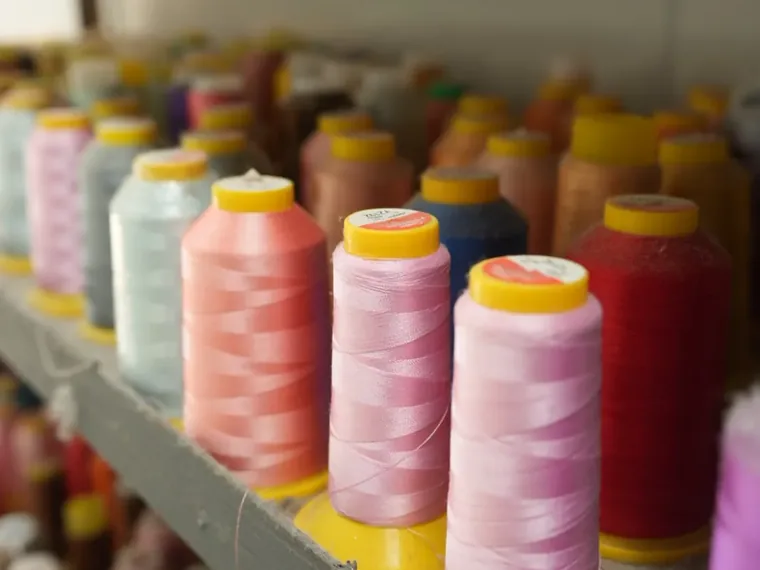
Setup isn’t the whole story. Fabric mills run their own minimums. A custom-dyed plush fabric typically requires a full dye lot, and a 100-unit order doesn’t come close to consuming one. The options below MOQ are stock fabric colors (limiting your design) or paying for a dye lot you mostly won’t use.
The same logic hits accessories. Safety eyes, woven labels, and hangtags are all priced in bulk tiers. At 100 units you’re buying every component at its worst tier simultaneously, while the 500-unit buyer clears the first price break on most of them.
What Does the Price Curve Actually Look Like?
Steep at first, then flat. Using a 10-inch custom plush at 500 units as the baseline (typically $5–$7 per unit):
| Quantity | Factory view | Why buyers care |
|---|---|---|
| 100 units | Usually outside full-custom MOQ | The same setup work is spread across too few pieces, and material tiers are weak. |
| 500 units | Standard starting MOQ | For a 10-inch plush, this is the normal $5–$7 baseline we use for early budget checks. |
| 2,000 units | About 30–40% lower unit price than 500 | Setup amortizes better and fabric/component pricing improves. |
| 3,000+ units | Sample fee credit applies | The $150–$300 sample fee can be credited back on confirmed bulk orders at this level. |
The practical takeaway: the first meaningful step is moving from a sub-MOQ request to 500 units, and the next major step is moving from 500 to 2,000. Beyond that, order what you can sell, not what the curve tempts you to buy.
How to Get the Best Unit Price Without Over-Ordering
Order to the curve’s break points, not past them. Four moves that work:
- Quote a price ladder, always. Ask for 500 / 1,000 / 2,000 / 3,000+ pricing on one sheet. The break points tell you where your order naturally sits.
- Mind the 3,000-unit line. That’s where the $150–$300 sample fee credits back, which effectively discounts your first bulk order.
- Consolidate, don’t fragment. One 2,000-unit run of a single design beats four 500-unit runs of variants. Each variant restarts part of the setup block.
- Plan replenishment instead of overbuying. Once your pattern is locked and on file, repeat orders skip sampling entirely and go straight to the line. Buying beyond real demand to “save per unit” is not savings; it is warehoused cash.
What If You Really Only Need 100 Units?
Then a fully custom factory run is usually the wrong tool, and we’ll tell you that on the quote. Sub-500 programs generally fit better with stock-base personalization: an existing plush body with your custom embroidery, accessories, or branding. The setup block shrinks to an embroidery program, and the economics work at small volumes.
The other honest option is waiting to aggregate demand. Preorders, a crowdfunding round, or pooling two seasons of stock into one run can carry a project from 100 committed units to an economical 500. We cover all the sub-MOQ paths in Custom Plush MOQ Explained.
Request a Factory-Direct Quote
The first step in making your order come to life. Request a free quote with your artwork and target quantity. We will return a factory price ladder and, if your volume fits stock-base personalization better than a custom run, say so directly.
Frequently Asked Questions
Why is the per-unit price higher at 100 units than at 500?
Fixed setup work costs the same before production starts: pattern engineering, cutting setup, embroidery programming, color matching, and line preparation. At 500 pieces, that work is spread across a workable order. At 100 pieces, the same work sits on too few units, and material minimums make the gap worse.
How much does unit price drop with volume?
Moving from 500 to 2,000 units typically cuts unit price about 30–40%, driven by setup amortization and better fabric and component tiers. After that, the curve usually becomes gradual. I tell buyers to quote the ladder, then order to sell-through instead of chasing every small decrease.
Can I order 100 custom plush toys?
Rarely as a fully custom factory run. Our MOQ starts at 500 pieces because the pattern, sample, material, and line setup need enough units to make sense. Sub-500 needs usually fit stock-base personalization: an existing plush body with custom embroidery, accessories, or branding.
Does ordering more always lower my total cost?
Per unit, yes; in total, only if you sell through. Overbuying past real demand converts a lower unit price into warehoused inventory. Order to the clear break points, such as 500, 2,000, and 3,000+ units, then plan replenishment runs that skip the sample cycle.
Why do factories have MOQs at all?
MOQ is the point where fixed setup work can be spread across enough pieces for both sides. Below it, pattern work, sampling, machine setup, and material minimums dominate the economics. That is why MOQ is an arithmetic constraint first, not simply a sales policy.
About the Author
Kyo Lue — General Manager, The Plush Maker
Kyo reviews MOQ and price ladders with The Plush Maker’s sampling, sourcing, production, and export teams in Dongguan. His advice comes from real factory quote work: setup time, material minimums, sample-fee credits, and the point where a buyer should stop chasing a lower unit price.