Uncategorized
Plush Toy Safety Standards Explained: EN71 vs. ASTM vs. CPSIA
Plain-English comparison of plush toy safety standards — EN71, ASTM F963, CPSIA. What they test, which markets require them, and costs.
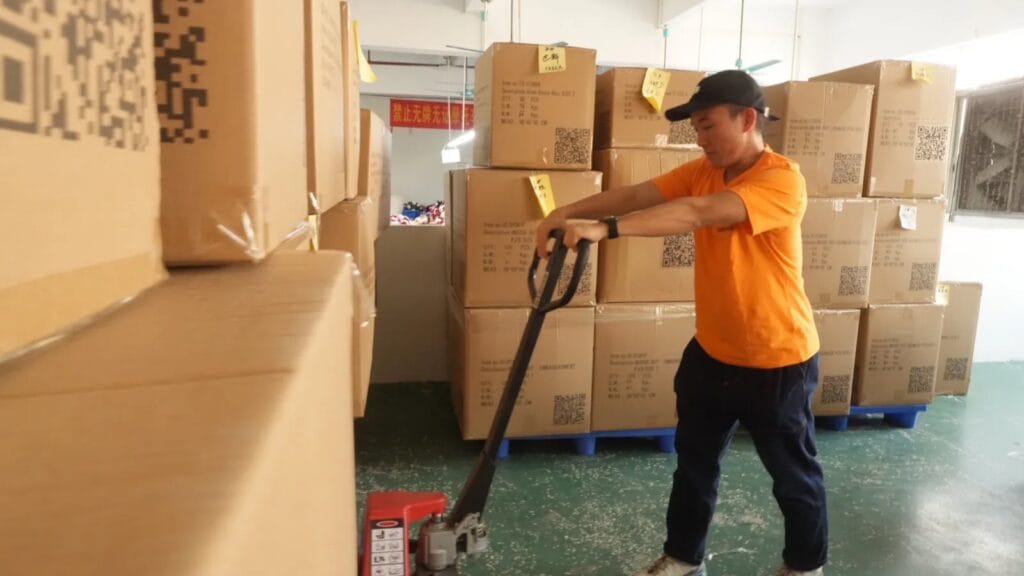
Plain-English comparison of plush toy safety standards — EN71, ASTM F963, CPSIA. What they test, which markets require them, and costs.
If you’re importing plush toys into the US, EU, or Canada, you’re dealing with three overlapping safety regimes: EN71, ASTM F963, and CPSIA. Here’s what each actually requires, in plain English, without the legal jargon.
EN71 is the European toy safety standard, broken into 14 parts. For plush, the relevant parts are:
Any plush entering the EU retail chain needs EN71 test reports. Your importer of record will want to see them.
ASTM F963 is the US voluntary standard — except since 2008, CPSIA made it mandatory for toys sold in the US. So effectively, every US-market toy needs ASTM F963 compliance + CPSIA registration.
ASTM F963 covers mechanical safety (pull tests, seam strength), flammability, and heavy metals — roughly equivalent to EN71-1 + EN71-2 + EN71-3 combined.
CPSIA is the umbrella US law (Consumer Product Safety Improvement Act, 2008). It requires:
| Target Market | Required Standards |
|---|---|
| 🇺🇸 USA | ASTM F963 + CPSIA + CPC |
| 🇨🇦 Canada | Canada CCPSA + ASTM F963 (typically) |
| 🇪🇺 EU (all countries) | EN71 (1, 2, 3 minimum) |
| 🇬🇧 UK | UKCA + EN71 (UK mirrors EU) |
| 🇦🇺 Australia | AS/NZS ISO 8124 |
| 🌐 Worldwide | ISO 8124 (general baseline) |
Standard industry practice: the manufacturer arranges batch testing at a third-party lab, and the cost is line-itemed in the quote (typically $150–$400 per standard per batch). If a factory offers “free certification” — they’re either using expired reports or forging paperwork. Both will bite you at customs.
The first step in making your order come to life. Email us directly, message us on WhatsApp, or fill out the form below.
📧 hello@kedonia.com · 💬 WhatsApp
Free quote back within 24 hours. No commitment.
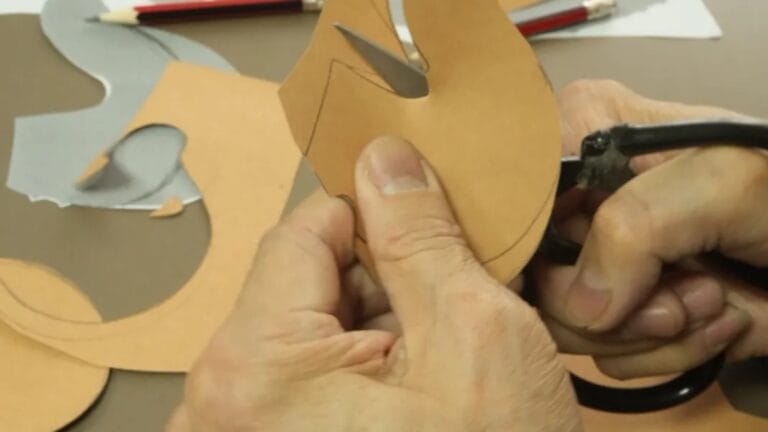 Custom Plush Sample Process:…
May 4, 2026 · 5 min read
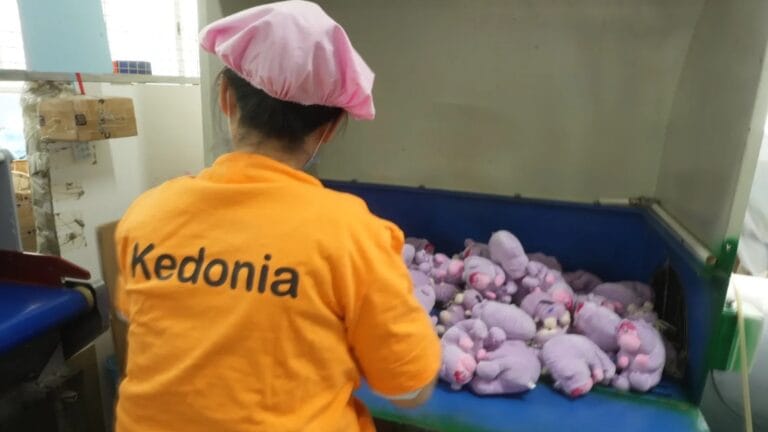 Custom Plush MOQ Explained:…
May 4, 2026 · 5 min read
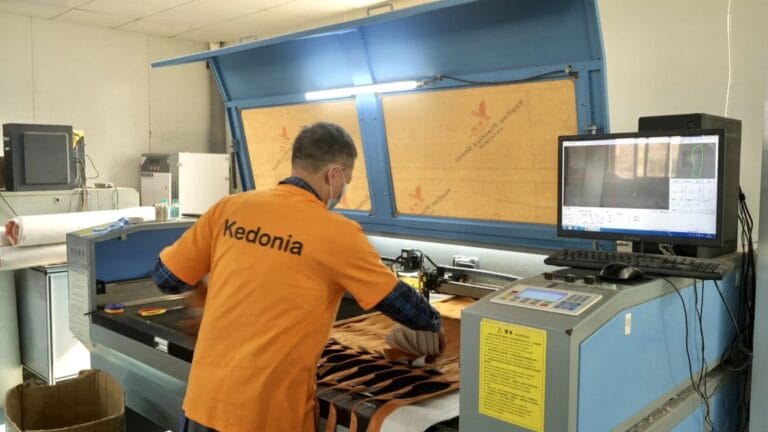 How Much Does a…
May 4, 2026 · 5 min read
Send us your inquiries and let us bring them into plush toys. We will contact you within 24 hours.